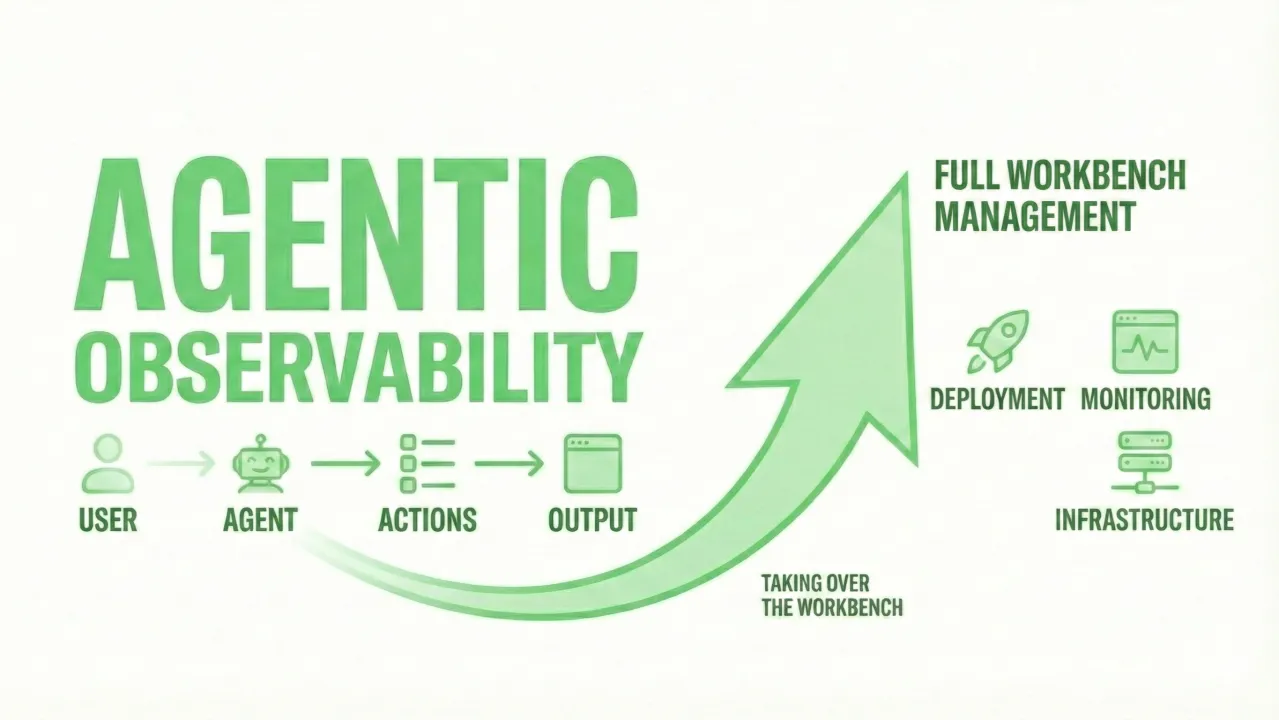
AI coding assistants (e.g., Claude Code and other agentic dev tools) don’t just generate code anymore. They act: read files, run commands, pull/push configs, and chain tools/agents.
But most “monitoring” still stops at the surface: the prompt.
What’s missing is the part that matters in agentic workflows: everything that happens between the prompt and the answer.
The Silent Exposure Path
A real example: A developer asks an agent to debug an AWS auth issue. The agent inspects the environment, checks configs, and runs diagnostics—often reading .env and other sources that may contain AK/SK, tokens, API keys.
Even if secrets are never pasted into chat, never shown in the UI, and never committed… they can still be:
- Accessed by the agent runtime
- Pulled into model context
- Exposed beyond the local machine (e.g., to an external AI service)
That’s the silent exposure path: agent-driven, unintentional, invisible.
What needs to change: Agentic Observability
From: “What did the user ask?”
To: “What did the AI touch, learn, and transmit while getting the work done?”
At Netra, we focus on:
- Action lineage (user → tool → system timeline)
- Tool-use visibility (commands, files, configs, intermediate outputs)
- Data classification across user/tool/system events
- Agent-to-agent/MCP visibility (where data flows next)
If you’re rolling out AI dev tools: do you see runtime behavior—or only the chat transcript?